INNOVATION
A PFAS Turning Point or Just a First Step?
Aquagga’s HALT tech shows real PFAS destruction under DoD programs, boosting interest in solutions from ECT2 and Allonnia
3 Jun 2025
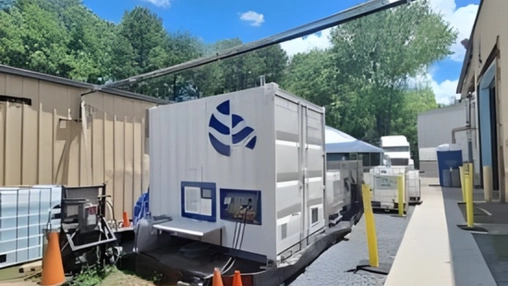
A rare sense of momentum is moving through the environmental world after a new PFAS destruction method cleared a major hurdle. Aquagga’s HALT system delivered strong results in field trials backed by the Defense Innovation Unit and the ESTCP program, giving scientists and regulators something they have long wanted: proof that these stubborn chemicals can be broken apart rather than shuffled from one place to another.
HALT showed real destruction at a third party facility, a point that has captured attention across the cleanup industry. Full commercial rollout is still ahead, but the demonstration hinted at a future where treatment does more than trap PFAS in filters that later need disposal. For many communities wrestling with contamination concerns, that possibility feels overdue.
Destruction based approaches have hovered on the horizon for years, promising cleaner outcomes but rarely moving beyond the pilot stage. HALT now appears to narrow that distance. One environmental specialist put it simply. Field ready options are finally arriving.
The surge of interest comes as companies such as ECT2 and Allonnia expand their own roles in PFAS control, from advanced separation systems to biological pathways for resource recovery. With regulations tightening and cleanup needs rising, firms are racing to match scientific advances with workable business models. The result is a sector evolving at high speed, shaped by new research, new partnerships, and a public appetite for solutions that can stand up to real world complexity. Only one figure matters here: experts say a majority of contaminated sites are still searching for practical long term answers.
None of this erases the obstacles ahead. Adoption will hinge on cost, power requirements, and whether destruction units fold smoothly into the patchwork of systems already running at treatment plants. Verification will also play a central role. Regulators are pushing for standards that make destruction claims credible across different wastes and operating conditions.
Even with those caveats, the tone inside the field feels cautious but hopeful. HALT’s early success has people watching closely to see if it can move from demonstration to routine use. If it does, it may spark broader investment in a market that has waited years for a breakthrough that lives up to its promise.
Latest News
2 Feb 2026
AI Tools Are Changing the Pace of Environmental Cleanup30 Jan 2026
Can Algorithms Clean Up America’s Toxic Sites?22 Jan 2026
Forever No More? PFAS Cleanup Targets Final Destruction20 Jan 2026
The Great Cleanup Grab: Consolidation Surges in US Remediation
Related News

INSIGHTS
2 Feb 2026
AI Tools Are Changing the Pace of Environmental Cleanup
RESEARCH
30 Jan 2026
Can Algorithms Clean Up America’s Toxic Sites?
MARKET TRENDS
22 Jan 2026
Forever No More? PFAS Cleanup Targets Final Destruction
SUBSCRIBE FOR UPDATES
By submitting, you agree to receive email communications from the event organizers, including upcoming promotions and discounted tickets, news, and access to related events.