INSIGHTS
AI Tools Are Changing the Pace of Environmental Cleanup
Trium Environmental expands AI-powered site analysis in Ontario, helping teams cut delays, costs, and uncertainty in cleanup planning
2 Feb 2026
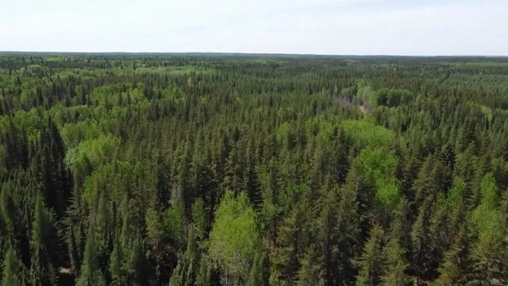
Environmental cleanup projects, long shaped by slow testing cycles and repeat site visits, are beginning to change as digital tools move closer to field operations.
Trium Environmental has expanded access to its artificial intelligence-based site characterisation technology through a licensing agreement with Golden Environmental in Ontario, allowing local teams to use AI-supported analysis directly on active remediation projects.
The arrangement enables engineers and scientists to analyse subsurface field data in near real time, helping them refine sampling plans and cleanup strategies without waiting weeks for laboratory results. The company said the system is designed to complement, rather than replace, traditional testing, which remains a regulatory and technical requirement.
For decades, environmental investigations have relied heavily on off-site laboratory analysis to confirm soil and groundwater conditions. While essential, that approach can slow projects and lead to decisions based on incomplete early data. Trium Environmental’s technology is intended to provide faster insight into likely contamination patterns, reducing unnecessary excavation and repeat mobilisation.
A spokesperson for the company said the aim was to provide clearer information at the point when decisions carry the greatest cost and risk. Earlier insight, they said, could limit surprises later in a project, often translating into lower overall expenses.
The move comes as cleanup budgets face pressure and project timelines continue to tighten. Regulators and site owners are also demanding stronger evidence to support remediation choices. Industry analysts say tools such as Trium’s AISCT® reflect a broader shift towards data-driven site assessment, as firms seek to balance efficiency with regulatory defensibility.
The licensing model is central to that approach. Rather than keeping advanced analytical tools within a small specialist group, Trium Environmental is distributing access through established regional partners. Golden Environmental will integrate the technology into its existing services, combining local site knowledge with AI-supported analysis.
Some caution remains, particularly on complex or high-risk sites. Predictive tools still require transparency, documentation and confirmatory testing to gain trust among regulators and clients. Those safeguards are expected to remain in place.
Even so, adoption is increasing as AI-supported assessment moves beyond pilot projects and into routine practice. For a sector known for extended timelines, the shift suggests a more responsive model, one where better data arrives before cleanup decisions are fixed.
Latest News
2 Feb 2026
AI Tools Are Changing the Pace of Environmental Cleanup30 Jan 2026
Can Algorithms Clean Up America’s Toxic Sites?22 Jan 2026
Forever No More? PFAS Cleanup Targets Final Destruction20 Jan 2026
The Great Cleanup Grab: Consolidation Surges in US Remediation
Related News

INSIGHTS
2 Feb 2026
AI Tools Are Changing the Pace of Environmental Cleanup

RESEARCH
30 Jan 2026
Can Algorithms Clean Up America’s Toxic Sites?
MARKET TRENDS
22 Jan 2026
Forever No More? PFAS Cleanup Targets Final Destruction
SUBSCRIBE FOR UPDATES
By submitting, you agree to receive email communications from the event organizers, including upcoming promotions and discounted tickets, news, and access to related events.