RESEARCH
Can Algorithms Clean Up America’s Toxic Sites?
Artificial intelligence is reshaping bioremediation, guiding smarter cleanup decisions as science, policy, and industry begin to align
30 Jan 2026
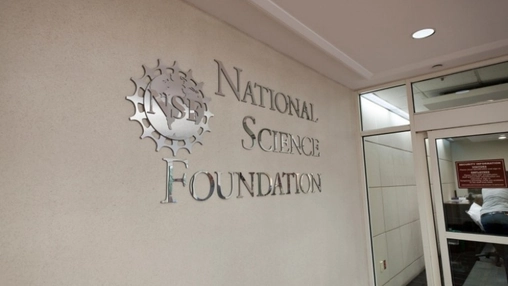
Artificial intelligence is moving from the margins to the mainstream of environmental remediation, marking a significant shift in how contaminated land and groundwater are treated across the United States. Researchers, regulators and industry groups are increasingly exploring how data-driven bioremediation could make cleanups faster, cheaper and more sustainable.
At the centre of this trend is AI’s ability to analyse complex environmental data. By combining soil and water samples with biological indicators and site histories, machine learning models can simulate how naturally occurring microbes break down pollutants. The approach aims to reduce uncertainty and cost overruns that have long characterised large-scale remediation projects.
Public investment is reinforcing the movement. The US Environmental Protection Agency and the National Science Foundation are funding research that connects artificial intelligence with environmental science, supporting early-stage innovation in bioremediation technologies. In parallel, technology firms are refining AI tools that model contaminant transport and microbial activity, laying groundwork for more predictive cleanup strategies.
Analysts note that AI’s appeal lies in its precision. Traditional remediation can be energy-intensive and lengthy, while AI-supported methods help identify where intervention is most effective. “AI doesn’t replace field work, but it helps teams decide where to focus resources and where costly action may not be justified,” said one environmental data analyst.
Still, significant barriers remain. Laboratory results often fail to replicate in complex field conditions, and regulators are cautious about approving unproven biological methods without strong evidence. Growing collaboration between environmental consultancies and technology companies has also raised questions over data ownership and intellectual property.
Even so, progress appears steady rather than speculative. Rather than a single breakthrough, the sector is evolving through convergence between environmental science, public funding and advanced computing. As AI tools mature and field validation improves, data-led bioremediation is expected to move from research promise to practical application, potentially reshaping remediation standards in the coming decade.
Latest News
2 Feb 2026
AI Tools Are Changing the Pace of Environmental Cleanup30 Jan 2026
Can Algorithms Clean Up America’s Toxic Sites?22 Jan 2026
Forever No More? PFAS Cleanup Targets Final Destruction20 Jan 2026
The Great Cleanup Grab: Consolidation Surges in US Remediation
Related News
INSIGHTS
2 Feb 2026
AI Tools Are Changing the Pace of Environmental Cleanup
RESEARCH
30 Jan 2026
Can Algorithms Clean Up America’s Toxic Sites?
MARKET TRENDS
22 Jan 2026
Forever No More? PFAS Cleanup Targets Final Destruction
SUBSCRIBE FOR UPDATES
By submitting, you agree to receive email communications from the event organizers, including upcoming promotions and discounted tickets, news, and access to related events.