TECHNOLOGY
Can Artificial Intelligence Fix America’s Dirty Legacy?
AI is streamlining cleanup planning and site assessment, driving faster, more consistent remediation decisions
7 Jan 2026
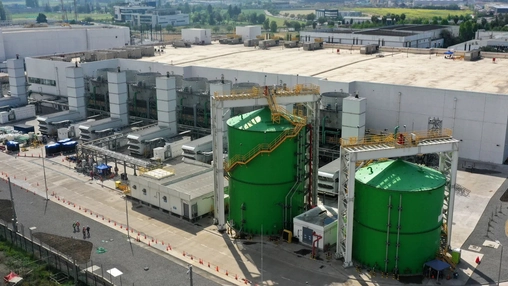
Artificial intelligence is starting to shape how environmental clean-ups are planned in the United States, as regulators and companies look for faster ways to assess contaminated sites and choose treatments. Interest is rising as pressure grows to address long-lasting pollutants such as PFAS, even though the technology has yet to materially shorten clean-up timelines nationwide.
The clearest impact so far has been at the early stages of projects. AI systems are being used to analyse large volumes of sampling and monitoring data, helping engineers model site conditions and compare remediation options more quickly. Tasks that once required lengthy manual review can now be completed faster, potentially accelerating decisions on how sites should be managed.
This front-end efficiency is becoming more important as environmental rules tighten and the number of contaminated locations expands. Industry participants say AI should be viewed as a support tool rather than a substitute for expert judgement, helping specialists manage complexity rather than replacing them.
Momentum is building through research projects, pilot programmes and early commercial deployments. Environmental technology companies are adding machine-learning features to data platforms used in site management, while academic and private studies suggest AI can narrow down treatment materials for difficult contaminants. Most applications remain experimental, but they are influencing how regulators, investors and operators think about future remediation workflows.
There are also signs of change in dealmaking. Recent acquisitions in water treatment and environmental services point to growing interest in integrated offerings that combine physical remediation technologies with data and analytics. Analysts say buyers are paying closer attention to digital capabilities that promise greater transparency, speed and consistency, even if AI is not the primary driver of every transaction.
Broader effects could follow. Better analysis may improve communication with regulators and affected communities, and allow organisations managing multiple sites to apply more consistent standards across portfolios. Over time, this could reduce uncertainty and help control costs, even as physical clean-up work remains constrained by engineering limits and regulatory processes.
Obstacles remain. AI systems depend on high-quality data, yet environmental records are often incomplete or fragmented, and teams must adapt to new tools and workflows. Still, confidence is increasing as pilot results accumulate. Many in the sector expect AI to become a routine part of remediation planning, gradually reshaping how decisions are made, if not how fast the ground itself can be cleaned.
Latest News
2 Feb 2026
AI Tools Are Changing the Pace of Environmental Cleanup30 Jan 2026
Can Algorithms Clean Up America’s Toxic Sites?22 Jan 2026
Forever No More? PFAS Cleanup Targets Final Destruction20 Jan 2026
The Great Cleanup Grab: Consolidation Surges in US Remediation
Related News
INSIGHTS
2 Feb 2026
AI Tools Are Changing the Pace of Environmental Cleanup

RESEARCH
30 Jan 2026
Can Algorithms Clean Up America’s Toxic Sites?
MARKET TRENDS
22 Jan 2026
Forever No More? PFAS Cleanup Targets Final Destruction
SUBSCRIBE FOR UPDATES
By submitting, you agree to receive email communications from the event organizers, including upcoming promotions and discounted tickets, news, and access to related events.