MARKET TRENDS
Forever No More? PFAS Cleanup Targets Final Destruction
US firms shift from capturing PFAS to destroying it, as regulators push for lasting cleanup solutions
22 Jan 2023
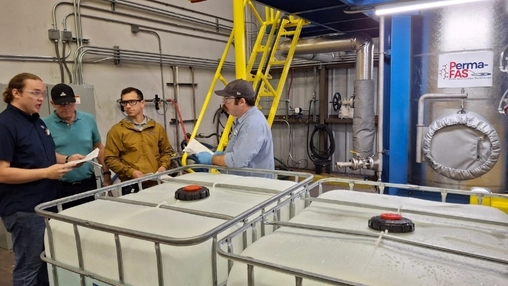
The US cleanup industry is redefining its approach to one of the toughest chemical challenges of our time. After years of capturing PFAS, so-called forever chemicals, the new goal is clear: destroy them for good.
What began as a niche debate among scientists and regulators has become a business imperative. Traditional cleanup methods trap PFAS in filters or resins, but those materials remain contaminated, leaving behind a costly, long-term problem. Now, with federal agencies signaling future mandates for permanent destruction, utilities and industrial site owners are moving ahead of regulation to prepare.
This shift is reshaping the competitive landscape. Established players like Clean Harbors have made PFAS destruction central to their environmental strategy, pitching it as a way for customers to reduce legal uncertainty before new standards arrive. Municipal utilities, under pressure to meet tightening drinking water rules, increasingly see destruction as the only way to ensure today’s cleanup does not become tomorrow’s liability.
Other firms are racing to keep pace. Perma-Fix is expanding its capacity to handle PFAS-laden waste from remediation projects, while startups such as Aclarity are attracting investors with lower-energy destruction methods. Techniques like supercritical water oxidation and newer thermal or chemical processes are gaining ground, giving the industry a growing menu of options.
Analysts say the market is consolidating around end-to-end solutions that include testing, removal, and verified destruction. While the technology carries higher upfront costs, many customers see it as protection against unpredictable future regulations.
Challenges remain, from technology validation to complex permitting. Yet momentum is unmistakable. As interim guidance hardens into enforceable standards, permanent PFAS destruction is shifting from aspiration to expectation, redrawing the boundaries of what environmental cleanup really means.
Latest News
2 Feb 2026
AI Tools Are Changing the Pace of Environmental Cleanup30 Jan 2026
Can Algorithms Clean Up America’s Toxic Sites?22 Jan 2026
Forever No More? PFAS Cleanup Targets Final Destruction20 Jan 2026
The Great Cleanup Grab: Consolidation Surges in US Remediation
Related News

INSIGHTS
2 Feb 2026
AI Tools Are Changing the Pace of Environmental Cleanup
RESEARCH
30 Jan 2026
Can Algorithms Clean Up America’s Toxic Sites?
MARKET TRENDS
22 Jan 2026
Forever No More? PFAS Cleanup Targets Final Destruction
SUBSCRIBE FOR UPDATES
By submitting, you agree to receive email communications from the event organizers, including upcoming promotions and discounted tickets, news, and access to related events.