REGULATORY
Regulators Pivot on Lead Limits at Cleanup Sites
EPA’s 2025 soil lead guidance resets cleanup triggers at CERCLA and RCRA sites and pushes remediation firms toward faster, data smart solutions
17 Oct 2025
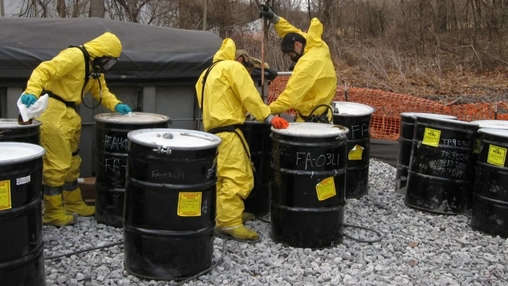
The Environmental Protection Agency has introduced new guidance for residential soil lead at federally regulated clean-up sites, setting thresholds that will shape future remediation work under the Superfund and hazardous waste laws.
The directive, issued on October 16 2025, establishes a regional screening level of 200 parts per million and a removal management level of 600ppm as the default values for residential soil. The EPA had sometimes used a more protective 100ppm screening level in 2024 for cases with several lead exposure sources, but the new approach standardises higher thresholds for properties overseen under CERCLA and RCRA. The agency stressed that the guidance is not a national soil standard for all residential areas but a framework for locations governed by federal clean-up authority.
Consultants, site owners and municipalities now face a reassessment of existing plans. Projects built around previous assumptions may need to revise excavation work, capping methods or long-term monitoring. Several engineering groups said the shift will require updated risk models and greater clarity for communities that have followed remediation plans based on earlier thresholds.
Larger remediation and engineering firms are expected to use the change to advance more data-driven models of site management. Many are expanding the use of portable field instruments, probabilistic modelling and integrated data platforms to refine sampling strategies and document decisions for regulators. Smaller firms and local authorities may seek shared tools or partnerships to limit costs tied to new analytical requirements.
The guidance also arrives at a time of heightened focus on environmental justice. Communities near contaminated sites have pressed for clearer timelines, accessible data and consistent reporting, arguing that past clean-up efforts often lacked transparency. Industry analysts said firms able to combine technical detail with clearer mapping tools and regular engagement may find it easier to meet both regulatory and community expectations.
The EPA’s updated thresholds are likely to influence budgets and project design through 2026, as agencies and contractors apply the new levels across active and planned remediation sites. The longer-term impact will depend on how regional offices interpret the guidance and how quickly local stakeholders adjust to revised clean-up triggers.
Latest News
2 Feb 2026
AI Tools Are Changing the Pace of Environmental Cleanup30 Jan 2026
Can Algorithms Clean Up America’s Toxic Sites?22 Jan 2026
Forever No More? PFAS Cleanup Targets Final Destruction20 Jan 2026
The Great Cleanup Grab: Consolidation Surges in US Remediation
Related News
INSIGHTS
2 Feb 2026
AI Tools Are Changing the Pace of Environmental Cleanup
RESEARCH
30 Jan 2026
Can Algorithms Clean Up America’s Toxic Sites?
MARKET TRENDS
22 Jan 2026
Forever No More? PFAS Cleanup Targets Final Destruction
SUBSCRIBE FOR UPDATES
By submitting, you agree to receive email communications from the event organizers, including upcoming promotions and discounted tickets, news, and access to related events.