TECHNOLOGY
The New PFAS Playbook: Powered by AI
Regulators and firms turn to data systems and early-warning models as remediation needs grow
8 Sep 2025
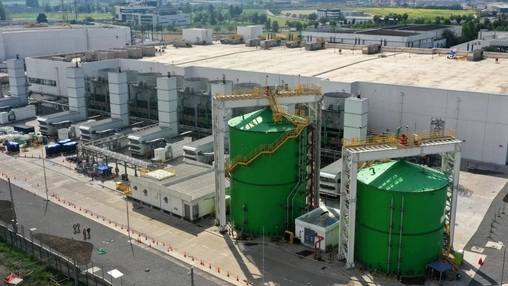
Artificial intelligence is edging into the center of US efforts to track and clean up PFAS pollution. It is not yet a standard tool, but researchers, regulators, and environmental firms are testing where it can sharpen decisions as the scale of contamination deepens.
The surge in interest follows tighter federal rules that raise pressure on companies responsible for polluted sites. Many teams are now experimenting with AI driven monitoring and forecasting that could spot problems earlier and steer more precise responses. One scientist involved in a national study described field crews juggling an ever heavier workload, with the number of affected sites varying by region. That unpredictability makes flexible digital tools more attractive.
This shift is taking place during a wave of consolidation across the remediation sector. EHC Associates recently broadened its reach with an acquisition that boosts its bench strength in emerging contaminant cleanup. Analysts see it as part of a wider trend in which firms that invest in advanced analytics and added capacity are better positioned to win technically demanding projects.
Technology developers are adjusting as well. Locus Technologies, long known for cloud systems that organize environmental data, is drawing increased attention from organizations searching for clearer ways to handle sampling records, lab reports, and regulatory filings tied to PFAS oversight. Many see these platforms as a way to cut through data bottlenecks and build trust with regulators and communities.
Still, digital ambition faces real hurdles. AI tools rely on steady, high quality data, yet environmental samples often vary widely. Some analysts also warn about the energy and water demands of high performance computing, though the scale of those impacts remains under review. Many expect gains in algorithm efficiency to trim resource use by at least 10 percent, along with improvements in cloud sustainability.
Even with uncertainties, momentum is unmistakable. As PFAS cleanup expands, companies that pair smart technology with strong field skills are shaping what comes next. Observers expect the year ahead to deliver fresh partnerships, new digital tools, and continued testing of how AI can help produce faster and more adaptive environmental solutions.
Latest News
2 Feb 2026
AI Tools Are Changing the Pace of Environmental Cleanup30 Jan 2026
Can Algorithms Clean Up America’s Toxic Sites?22 Jan 2026
Forever No More? PFAS Cleanup Targets Final Destruction20 Jan 2026
The Great Cleanup Grab: Consolidation Surges in US Remediation
Related News
INSIGHTS
2 Feb 2026
AI Tools Are Changing the Pace of Environmental Cleanup
RESEARCH
30 Jan 2026
Can Algorithms Clean Up America’s Toxic Sites?
MARKET TRENDS
22 Jan 2026
Forever No More? PFAS Cleanup Targets Final Destruction
SUBSCRIBE FOR UPDATES
By submitting, you agree to receive email communications from the event organizers, including upcoming promotions and discounted tickets, news, and access to related events.